Quick, what are the first things that come to mind when you hear “Independence Day?”
For me, I think:
– Barbecuing: Hamburgers, hotdogs, sometimes chicken (there is an art to BBQ chicken)
– Picnics: Somebody better have brought the macaroni salad. If not, I’ll settle for potato. And all of the BBQ chips. All of them.
– Outside: The aforementioned activities all happen outside. Even in Texas where it’s 100 degrees and 98% humidity.
– Swimming: In the pool, lake, ocean, or whatever watering hole possible. Running through sprinklers is an acceptable activity as well. I shouldn’t have to explain this.
– Fireworks: Often, you’ll see a few displays in different cities and neighborhoods leading up to the 4th of July. They’re always magical.
– Red, White and Blue: Most people try to wear all three. Stores even sell cheesy shirts with the flags on them.
Now, imagine an Independence Day in another country.
Before coming to Peru, I never really thought much about the fact that they had obviously earned their independence from Spain. I had no idea how they ended their colonization, what reasons they had for ending it, nor what independence meant to them. Ignorance or naivety? Jury’s still out on that one.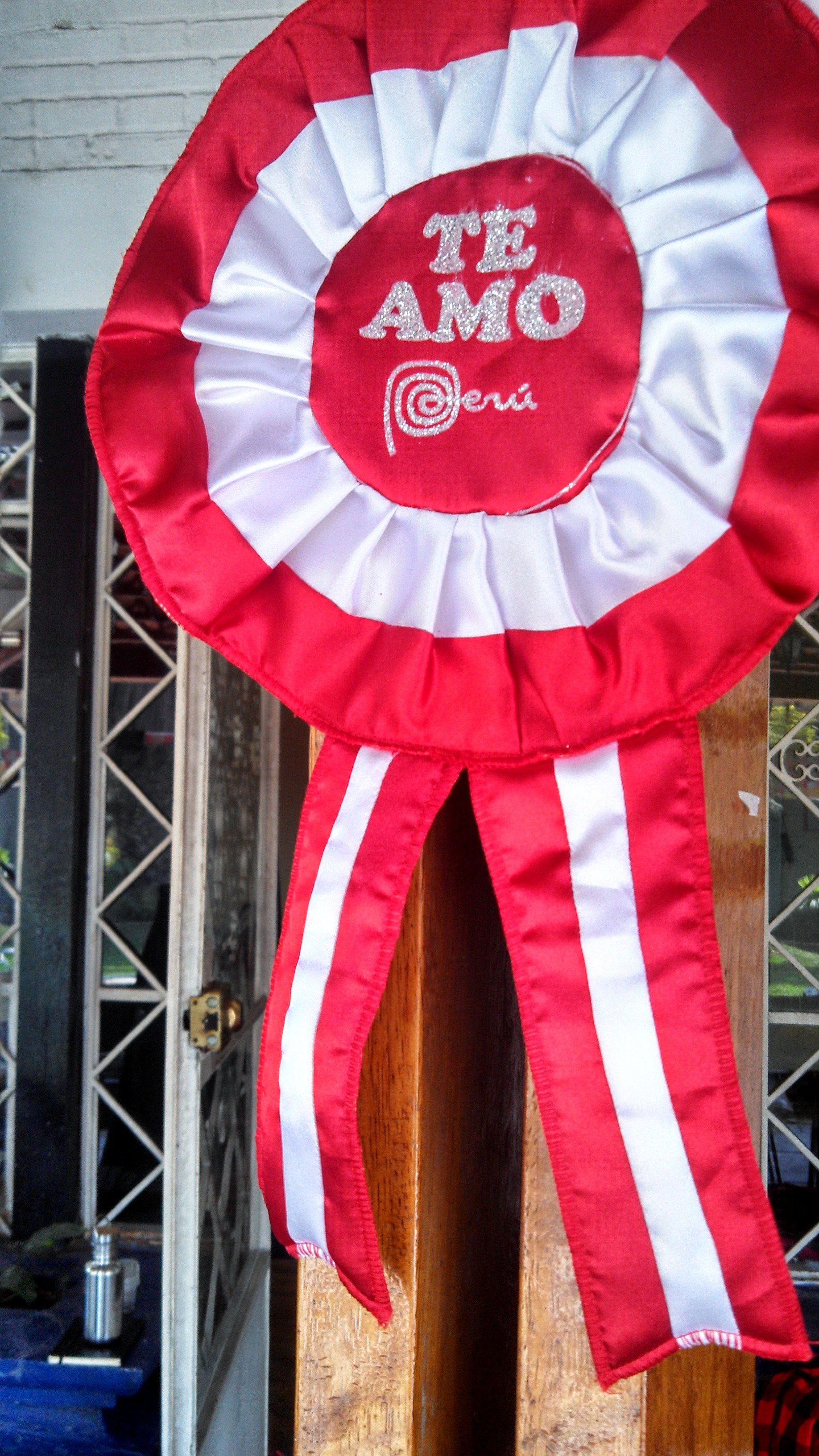
Anyhow, I celebrated my first Fiestas Patrias this past week. The Independence holiday is July 28 & 29 (yes, a whole two days to celebrate patriotism). Leading up to the holiday, most houses had put up a Peruvian flag. Cars were decorated. Television and print ads wished Peruvians “Felices Fiestas” and some even offered discounts for the holiday. All similar to what happens in the States.
I woke up on the 28th to a full house. Family from the Jungle had come in the day before and were staying with us. We ate bread for breakfast and turned on the TV to watch the Fiestas Patrias mass. The President, his wife, and I assume other important government people were all in attendance. Shortly after mass, the President gave a speech on the state of Peru. We turned off the TV after this and I helped prepare lunch. After lunch, I spent a lot of time relaxing. Around 8, more family from Lima came over. I’m sure everyone stayed up late, but since we had to be at the training center for day 2 of the holiday, I fell asleep early.
From my understanding, the 29th tends to be when more of the events for celebrating happen. At the training center, we had a lot planned to celebrate, of course throwing in as much cultural context as possible. The military parade was streaming on the TV in the garage, which I watched for a little. Fun fact, before World War II, Peru had requested that the German military teach the Peruvian military how to march. Peru, however, was also the first South American country to declare war on Germany.
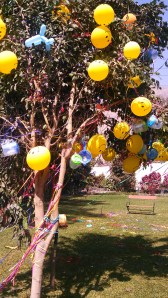 We also had different stations set up to learn more about Peruvian history and traditions, we decorated a tree for a yunza, and we made Pachamanca. Yunza is a tradition that typically happens during Carnival. A tree is decorated (often times with prizes) and then chopped down. Basically, people will dance around it and then pairs will attempt to chop it down. The pair that eventually causes the fall become the Padrino and Madrina for the next year’s celebration—meaning that they pay for and plan it. Pachamanca literally means “Earth Oven” in Quechua and is probably the most delicious thing I’ve eaten while here. Meat, potatoes, vegetables, etc. are all cooked in the ground, covered by specific leaves and stones.
After lots of dancing at the center, I went home again to a full house. I had arroz con leche (rice pudding) for dinner, and that was the end of my first Fiestas Patrias. Not overly eventful, but rather relaxing and I’m sure different for all families.
 Brittany McGee